Behind the Lens
When we talk about human trafficking, it’s easy to feel overwhelmed or disconnected — the issue feels distant, too big, or too abstract to grasp fully. But the reality is that exploitation happens all around us, hidden within communities and often unnoticed by even the people closest to the victims. Awareness campaigns across the world are trying to change that, from grass-roots movements to global coalitions like Stop the Traffik and media efforts such as the CNN Freedom Project, all focused on shining light on what too often lives in the shadows.
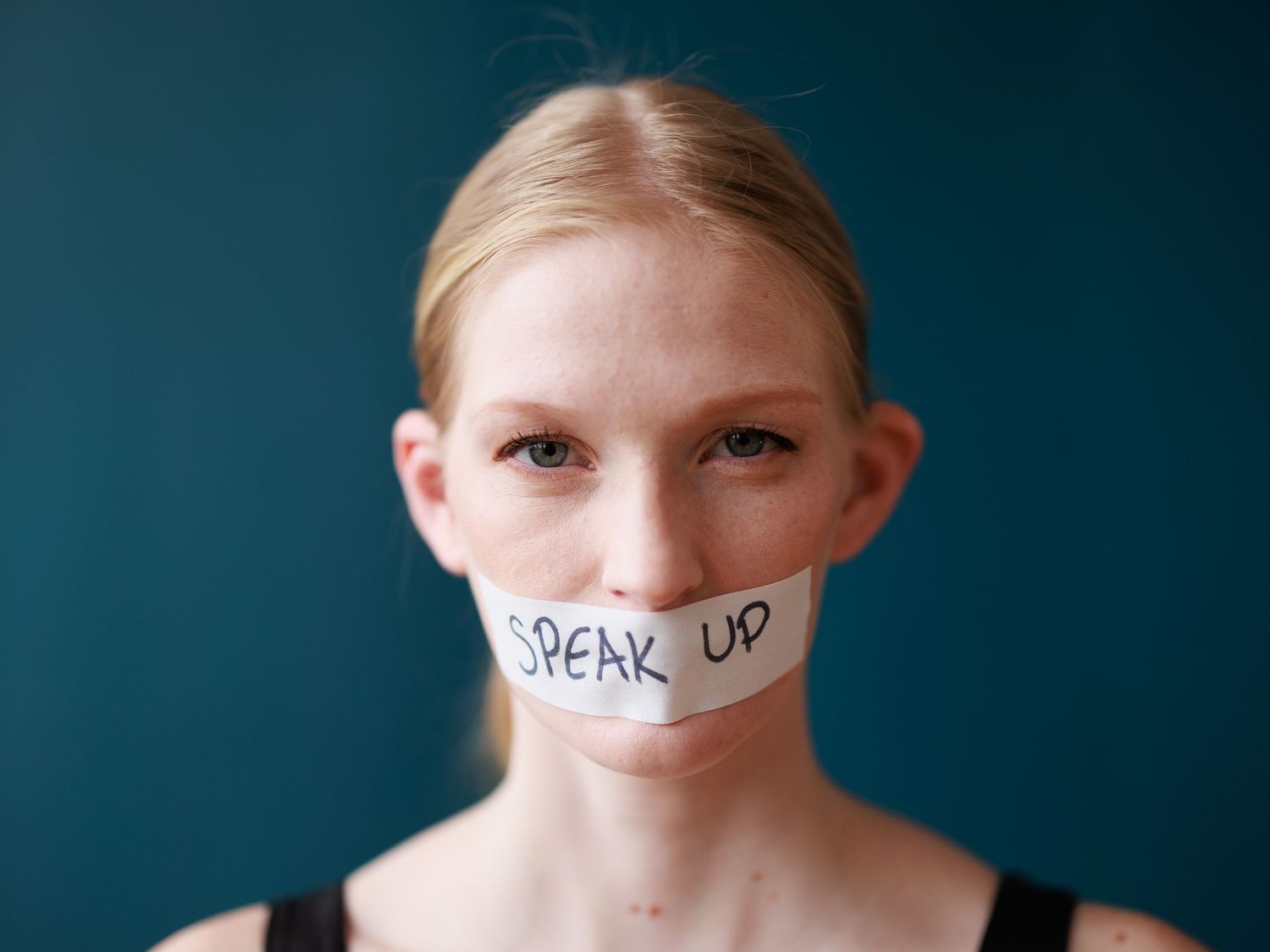
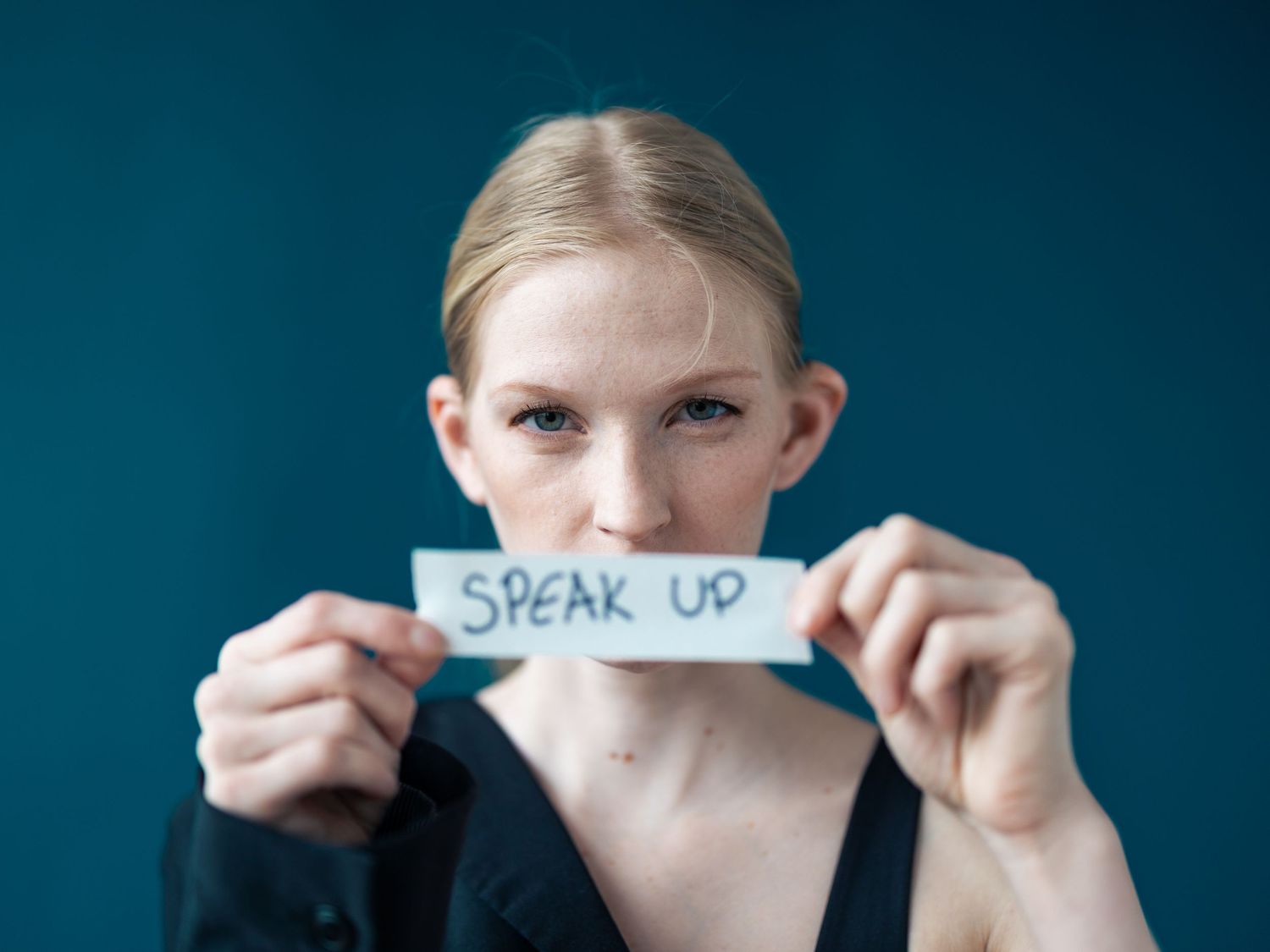
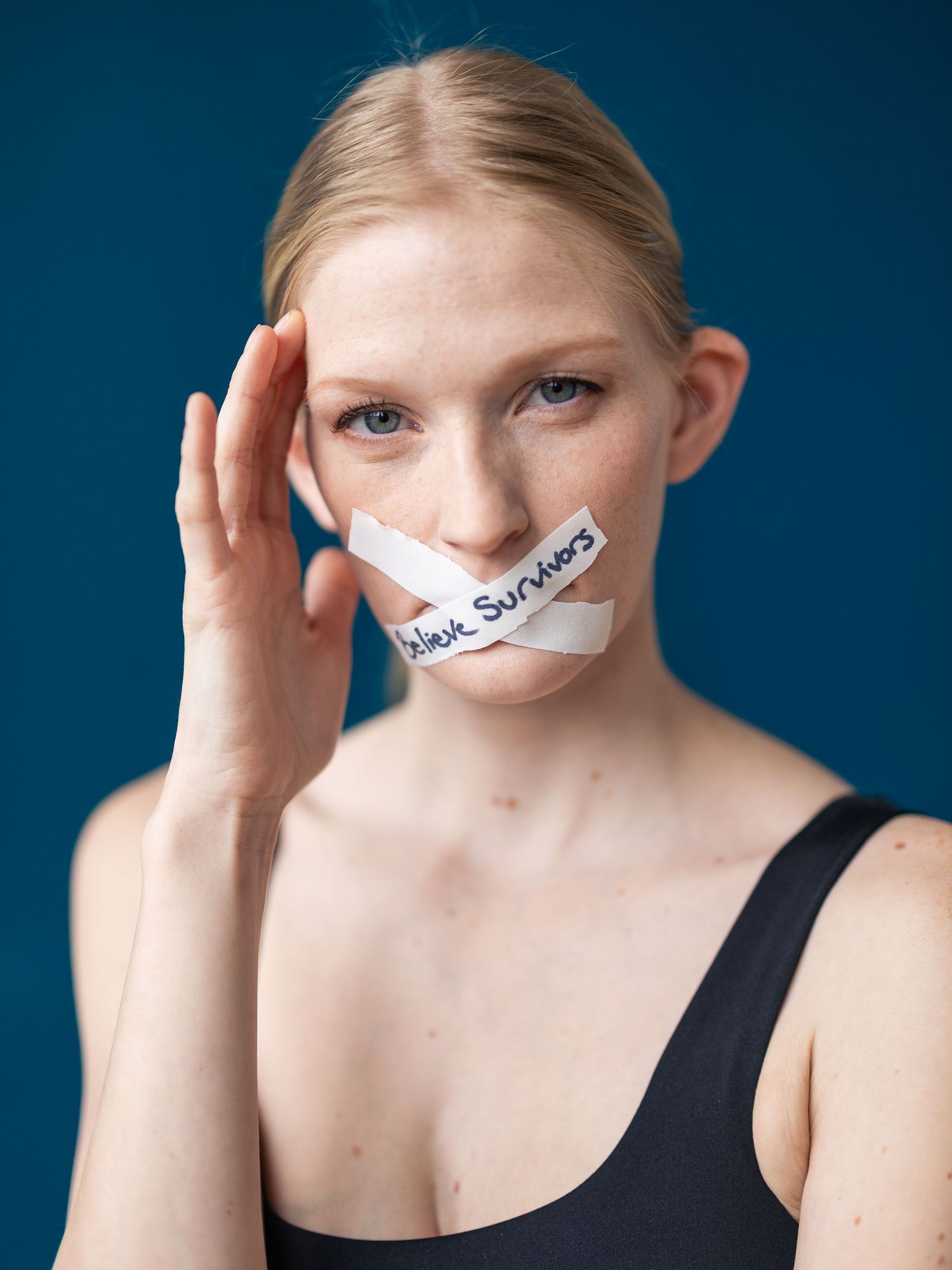
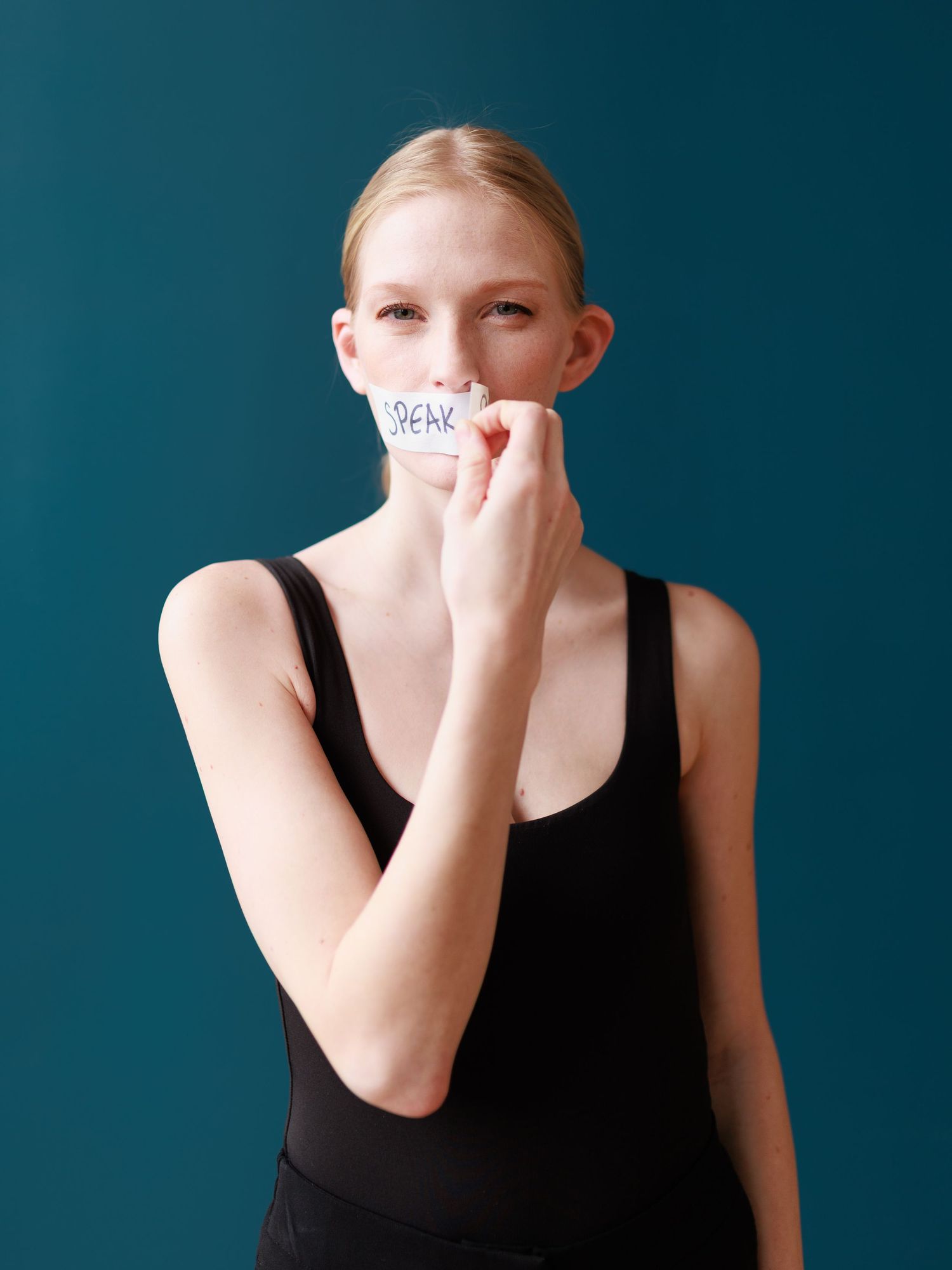
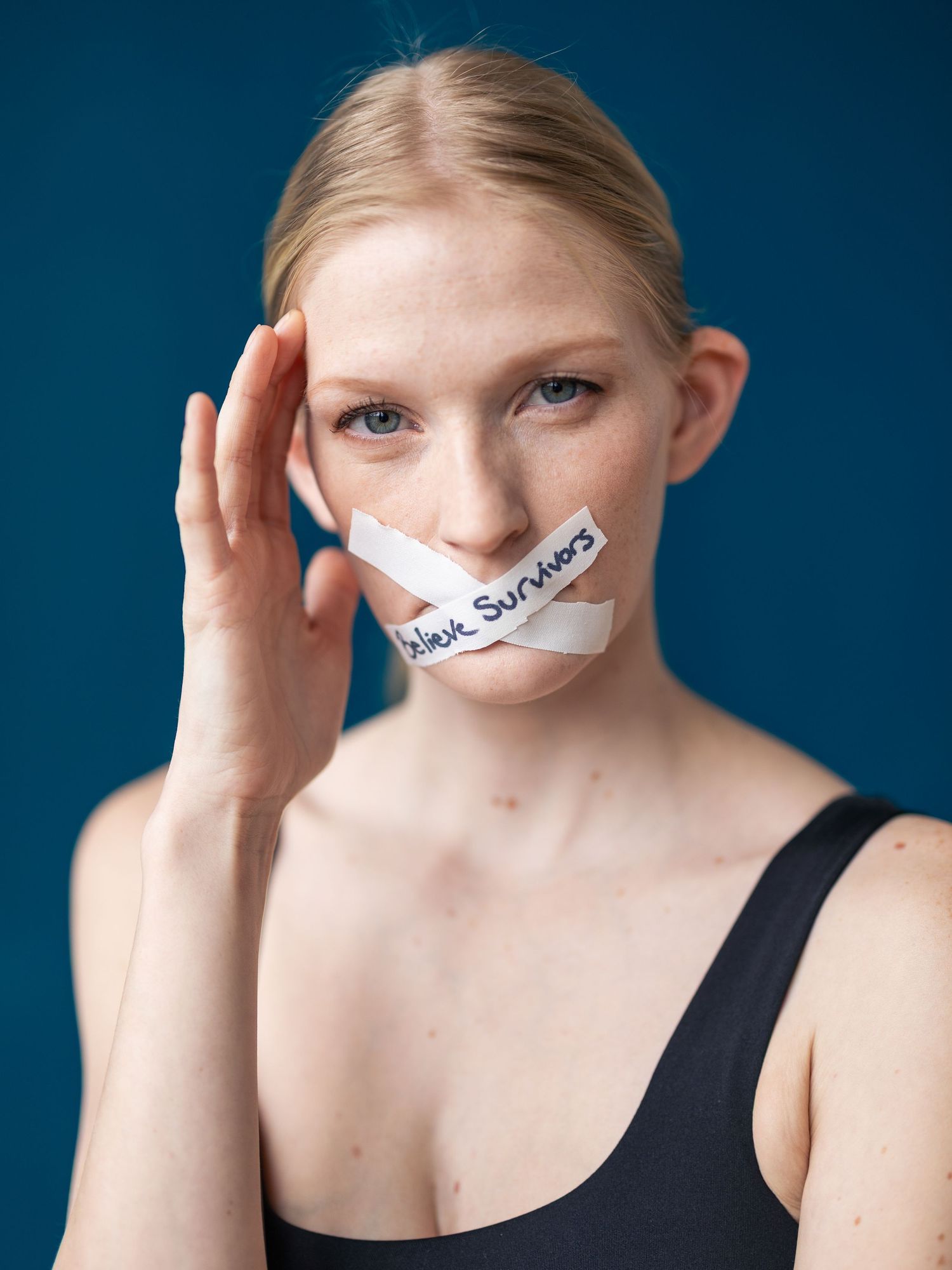
With Silence Was Never Consent, we wanted to add something different to that conversation — not shocking images, not sensational scenes, but a quiet, human-centered reflection on dignity, presence, and the strength it takes to be seen. This is rooted in the belief that imagery can educate in a respectful and empathetic way, portraying the resilience and humanity behind the issue rather than objectifying those affected.
Why This Matters
Human trafficking is a multi-faceted crime that can affect people of all ages, genders, and backgrounds, and it often happens right in our cities and neighbourhoods. Awareness is the first step toward understanding the lived experience of those who have been affected.
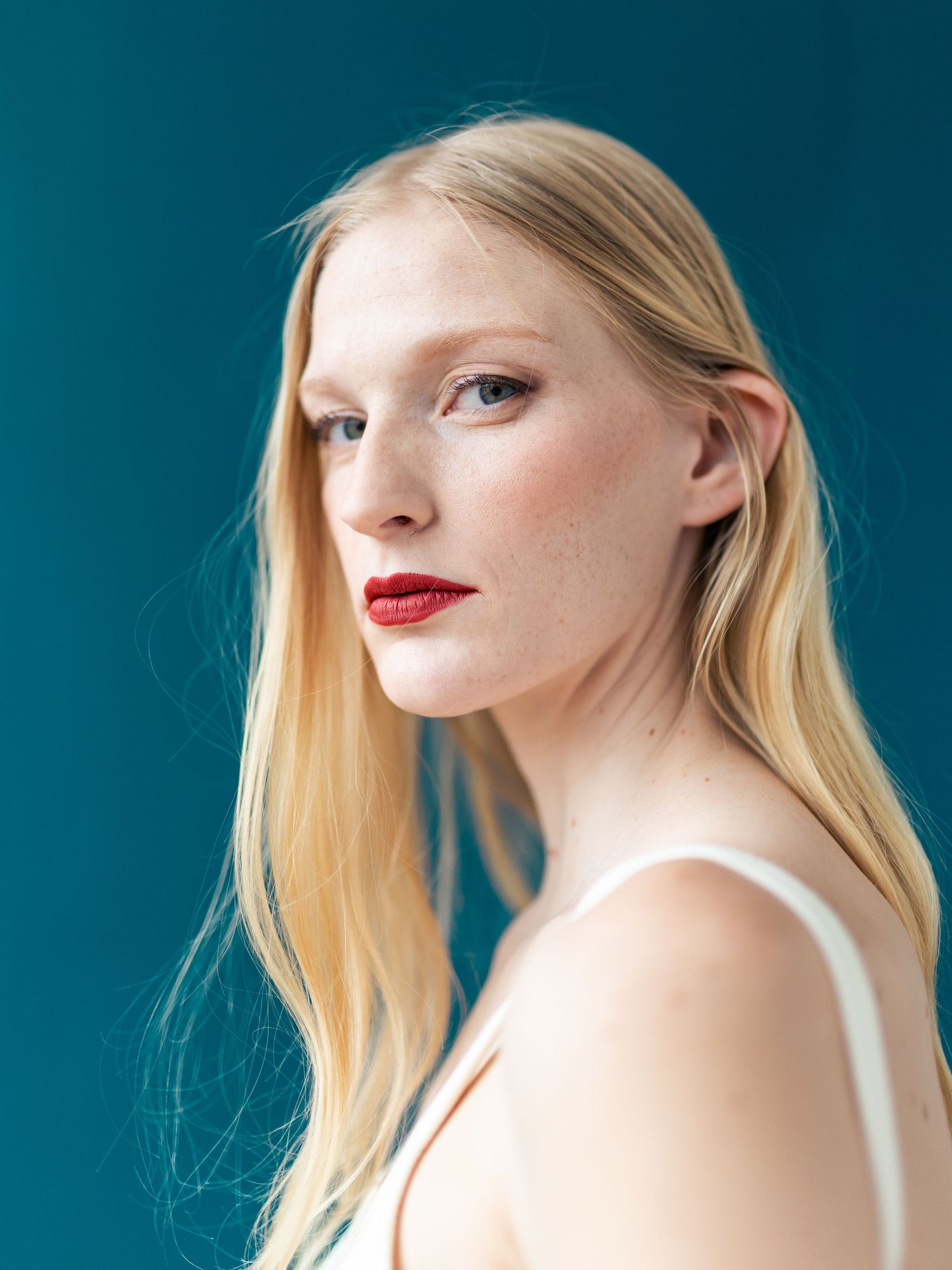
Photography has a unique power to connect us with something beyond words. When we photograph a person, we invite viewers to pause, reflect, and see. For Silence Was Never Consent, that meant creating images that respect the dignity of the subject while prompting thought about an issue that thrives on silence and invisibility.
The Creative Process
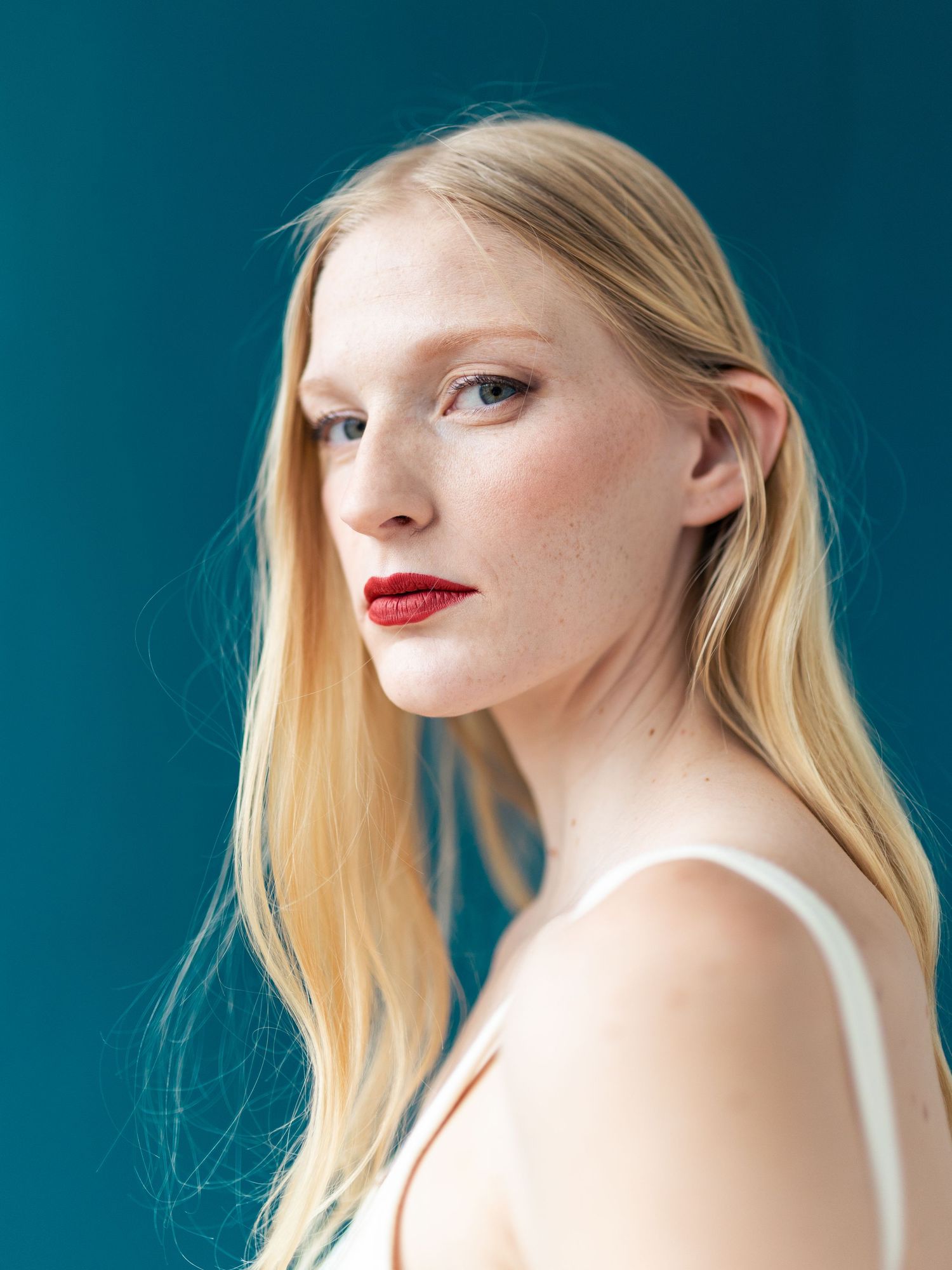
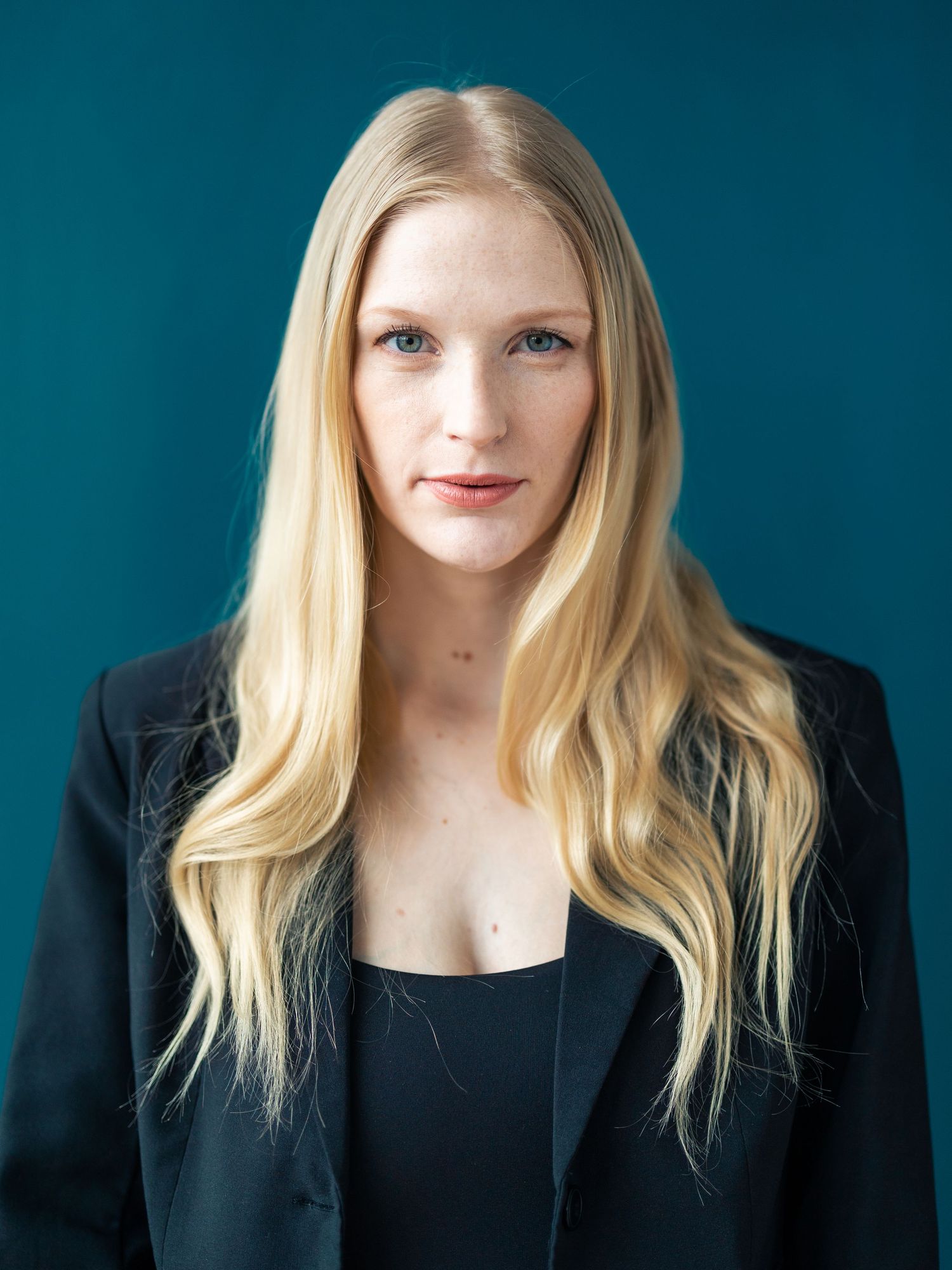
From our first conversations with community partners to the final shots captured in the studio, this project was rooted in collaboration. The goal was to communicate presence and humanity without exploiting vulnerability. The victim is not weak - she is strong and empowered. We avoided dramatic tropes or literal representations of trafficking because those images can sometimes reinforce stereotypes or harmful narratives rather than illuminate the reality.
Instead, you’ll see stillness and gaze, not distress. You’ll see the person being photographed as someone with agency, not an object of pity. These visuals are meant to evoke contemplation, respect, and — most importantly — attention.
What We Hope You’ll Do
Silence Was Never Consent goes live on March 16, and we’re inviting you to be part of it.
Please take a moment to view the campaign, share it, and, if you’re able, donate to support survivors and the organizations doing this important work on the front lines.
Donation link: https://veritascharityservices.com/campaigns/silence-was-never-consent/
Every donation matters. Whether it’s a small contribution, a share, or a conversation started because of this campaign, your support helps turn awareness into action. It helps real people. It helps services continue. And it helps survivors feel seen, supported, and not forgotten.
Human trafficking is complex, and no single project can solve it. But storytelling can open hearts, and action can create impact. Through respectful imagery, community support, and meaningful donations, we can help shift the conversation from silence to recognition — and from awareness to real support.
CREDITS:
Make-up Artist: Alexandra, IG: @alekssubbotina
Model: Cieran Sheard, IG: @cieransheard
Photographer: Ola Dutkiewicz-Duminuco, IG: @oladuminucophotography
Other photographers taking part:
- Marren, IG: @marrenlovekin
- Ronnie, IG: @ronniedotphotos
marrenlovekin


